

Table of Contents
ToggleKitchen hacks for beginners can transform cooking from a stressful chore into an enjoyable routine. New cooks often struggle with slow prep times, dull knives, and cluttered counters. These problems waste time and drain motivation.
The good news? A few smart techniques solve most kitchen frustrations. This guide covers practical kitchen hacks for beginners that work immediately. Readers will learn knife skills, food prep shortcuts, storage solutions, and cooking tricks that deliver real results. No fancy equipment required, just simple methods that professional cooks use every day.
Key Takeaways
- Kitchen hacks for beginners start with sharp knives and the claw grip technique to improve safety and speed during food prep.
- Batch prepping vegetables on weekends and freezing herbs in olive oil cubes can cut weeknight cooking time in half.
- Organize your kitchen using the golden triangle layout (stove, sink, refrigerator) and store frequently used tools within arm’s reach.
- Practice mise en place by measuring and organizing all ingredients before cooking to prevent common kitchen disasters.
- Simple cooking tricks like resting meat, salting pasta water generously, and tasting as you go dramatically improve food quality.
- Clear containers and designated refrigerator zones help beginners stay organized and reduce food waste.
Essential Knife Skills and Cutting Techniques
A sharp knife is the foundation of every kitchen hack for beginners. Dull blades crush food instead of cutting it. They also cause more injuries because cooks apply extra pressure.
Here’s the first rule: sharpen knives regularly. A honing steel realigns the blade edge before each use. Professional sharpening every six months keeps knives in top condition.
The Claw Grip
The claw grip protects fingers during cutting. Curl fingertips inward and rest knuckles against the knife blade. The blade slides along the knuckles while fingers stay safely tucked away. This technique looks awkward at first but becomes natural with practice.
Rock Chopping Method
The rock chop speeds up mincing herbs and garlic. Keep the knife tip on the cutting board and pivot the blade up and down in a rocking motion. One hand holds the handle while the other rests on the spine for control.
Uniform Cuts Matter
Even-sized pieces cook at the same rate. Unevenly cut vegetables leave some pieces raw and others burnt. Kitchen hacks for beginners often focus on speed, but uniform cuts actually save time by preventing do-overs.
A simple trick: slice vegetables into planks first, then cut planks into strips, and finally dice the strips into cubes. This three-step method produces consistent results every time.
Time-Saving Food Prep Shortcuts
Smart prep work cuts cooking time in half. These kitchen hacks for beginners focus on efficiency without sacrificing quality.
Batch Prep on Weekends
Spend 30 minutes on Sunday washing and chopping vegetables for the week. Store prepped ingredients in clear containers. Wednesday dinner prep drops from 45 minutes to 15 minutes when onions, peppers, and carrots are ready to go.
Freeze Flavor Boosters
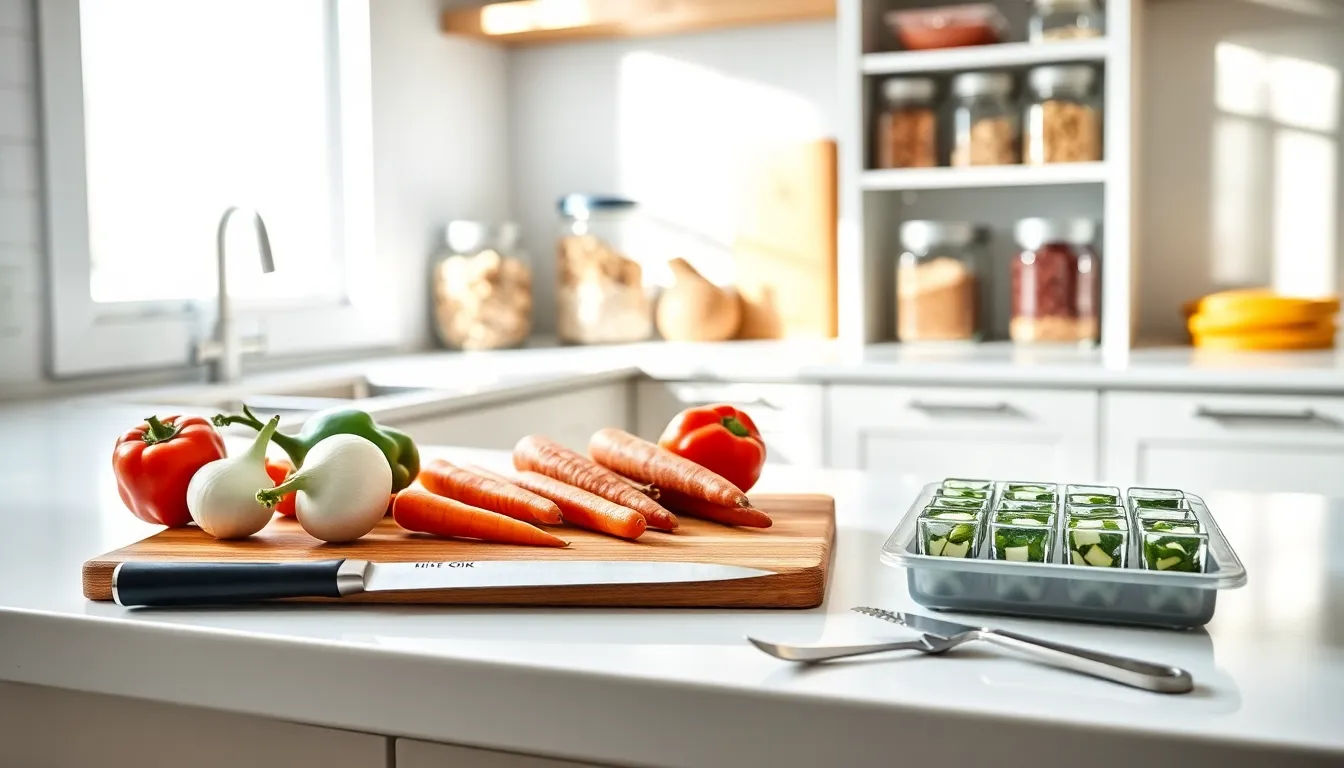
Freeze leftover herbs in olive oil using ice cube trays. Pop out a cube whenever a recipe needs fresh flavor. This hack works great for basil, cilantro, and parsley.
Ginger freezes well too. Frozen ginger grates easier than fresh and lasts months instead of weeks.
Use a Bench Scraper
A bench scraper transfers chopped ingredients from board to pan in seconds. It also cleans the cutting board between tasks. This $5 tool ranks among the best kitchen hacks for beginners because it eliminates so many small annoyances.
Mise en Place
French chefs call it “mise en place”, everything in its place. Measure and organize all ingredients before cooking starts. No more burning garlic while frantically searching for paprika. This single habit prevents most cooking disasters.
Clever Storage and Organization Tips
An organized kitchen works faster than a messy one. These kitchen hacks for beginners create systems that save time daily.
The Golden Triangle
Arrange the stove, sink, and refrigerator in a triangle pattern. Most cooking tasks move between these three spots. Keep frequently used tools within arm’s reach of this zone.
Vertical Storage Solutions
Magnetic knife strips free up drawer space and keep blades accessible. Hanging pot racks clear cabinet clutter. Vertical organization multiplies available storage without buying bigger cabinets.
Clear Container System
Transfer dry goods from bags to clear containers. Seeing contents at a glance prevents duplicate purchases. Labels with purchase dates help track freshness.
Refrigerator Zones
Designate refrigerator zones by food type. Keep dairy on one shelf, produce in drawers, and leftovers at eye level. The eye-level placement matters, food stored there gets eaten before it spoils.
Kitchen hacks for beginners often overlook organization, but a tidy space reduces stress and speeds up every cooking session.
Easy Cooking Tricks for Better Results
These kitchen hacks for beginners improve food quality with minimal effort.
Let Meat Rest
Meat continues cooking after leaving heat. Resting allows juices to redistribute throughout the protein. Cut too soon and those juices run onto the plate instead of staying in the meat. Five minutes of patience yields noticeably juicier results.
Salt Pasta Water Generously
Pasta water should taste like the ocean. This is the only chance to season the pasta itself. Under-salted water produces bland noodles that no amount of sauce can fix.
Save a cup of pasta water before draining. The starchy liquid helps sauces cling to noodles.
Room Temperature Ingredients
Cold eggs and butter don’t blend smoothly in baking. Set these ingredients out 30 minutes before starting. Room temperature ingredients incorporate evenly and produce better textures.
Taste as You Go
Seasoning at the end rarely works. Taste dishes throughout cooking and adjust salt, acid, and heat along the way. A squeeze of lemon or splash of vinegar often provides the brightness a dish needs.
Kitchen hacks for beginners work best when cooks understand why they work. These tricks aren’t magic, they’re basic food science applied practically.


